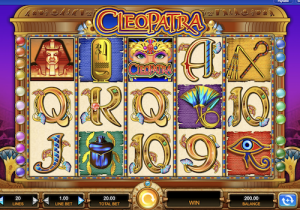


GameCheck, known for its efforts to combat fake casino games, has flagged Brazil as a major hub for these unauthorized operations. In a recent discussion, Jack Crabtree, GameCheck’s head of sales, revealed the company’s strategy for identifying and certifying legitimate games, focusing on markets where regulation is less stringent.
In This News
Brazil: A Growing Concern for GameCheck
Jack Crabtree’s insights highlight Brazil’s surge in fake gaming activities—where over 6,800 illegitimate games have been detected. Brazil’s rapid market expansion has unfortunately attracted rogue operators eager to exploit gaps in regulation. GameCheck’s technology serves to protect legitimate operators by offering the SEAL, a certification badge that verifies game authenticity. It’s especially popular in countries like Turkey, where regulatory oversight is lax. GameCheck’s shift from focusing solely on revenue protection for suppliers to a broader, sustainable model marks a major evolution in its business. “This change was necessary,” Crabtree notes, as they aim to tackle the rampant issue of fake games on a global scale.
Impact on the Global iGaming Industry
Globally, GameCheck and H2 Gambling Capital report detecting approximately 8,500 fake games, though the actual number is likely higher. The data reveals a troubling trend: many sites not blocked by BetBlocker host fake games. These findings underscore the widespread impact of such operations, which are most pervasive in unregulated or “grey” markets. Evolution’s CEO has been vocal about this threat, citing game cloning as a major revenue drain. When a game is cloned, its potential revenue plummets to zero, negatively affecting the original creators. Industry analysts have noted that with existing pressures from a restricted content market and declining margins, tackling game cloning has become a critical issue for game studios.
Regulatory Challenges and Future Outlook
Addressing these challenges is crucial, yet uncertainty looms over how effectively regulators can enforce rules in these fast-evolving markets. While GameCheck’s initiatives offer a line of defense, the scale of unregulated operations raises questions about the sufficiency of current regulatory frameworks. The risk for legitimate operators isn’t only financial—it’s reputational. The conversation around fake games isn’t new, but the escalation in Brazil demands immediate attention. Regulators, suppliers, and operators all have a stake in tightening controls. There’s a consensus forming: without strong intervention, revenue leakage will continue to plague the industry. As for what’s next, GameCheck plans to expand its monitoring and certification efforts, focusing particularly on up-and-coming markets. The company anticipates revealing more strategic details in the latter part of the year, as they adapt to the ever-shifting market of the iGaming industry.

Garry Sputnim is a seasoned journalist and storyteller with over a decade of experience in the trenches of global news. With a keen eye for uncovering stories that resonate, Alex has reported from over 30 countries, bringing light to untold narratives and the human faces behind the headlines. Specializing in investigative journalism, Garry has a knack for technology and social justice issues, weaving compelling narratives that bridge tech and humanity. Outside the newsroom, Garry is an avid rock climber and podcast host, exploring stories of resilience and innovation.