

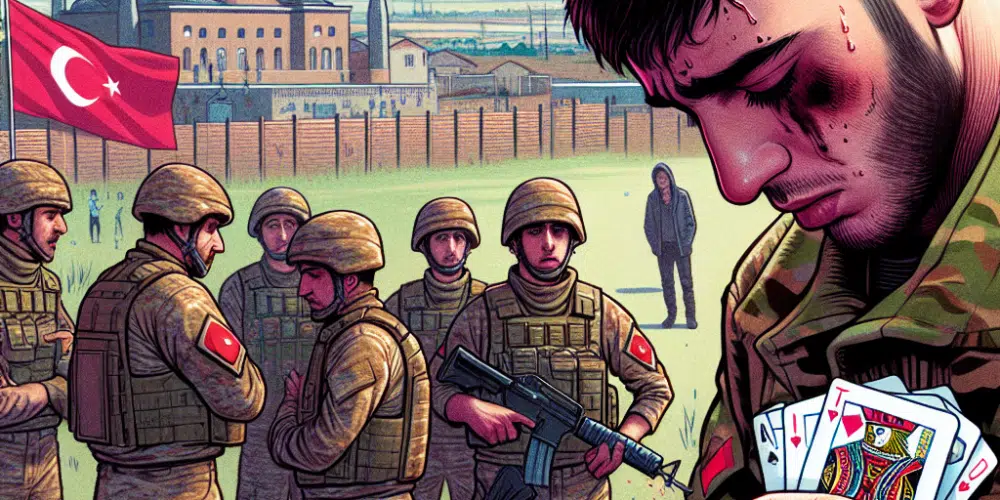
Defense Minister Yaşar Güler, addressing Turkey’s parliament Planning and Budget Committee, highlighted a troubling trend: Turkey’s young military recruits are grappling with gambling-related issues at an increasing rate. The situation is dire enough to prompt concern from the country’s top military ranks, especially as the pattern of suicides among young conscripts correlates with gambling debts and participation in online gambling activities.
This revelation coincides with a significant scandal in Turkish professional soccer, where a substantial number of referees and thousands of players have been implicated in gambling activities. The minister noted that online transactions reveal a widespread gambling habit among young recruits, indicating a growing problem that is hard to ignore. Additionally, there exists a cultural reluctance within the military to openly discuss suicides, viewing such discussions as a potential sign of weakness.
This issue is not unique to Turkey. The United States military faces similar challenges, where gambling addiction among service members has become a notable concern. Military bases, often equipped with slot machines, contribute to this problem, leading to addiction issues that mirror those seen among Turkish recruits. The U.S. military has also reported suicides linked to gambling, suggesting a broader, systemic issue across various armed forces globally.
Data reveals that in Turkey, suicides in the military outnumber those killed in action, with 934 suicides compared to 818 combat-related deaths. Turkey joins a growing list of countries where high-ranking officials have begun to address gambling-related problems within the military. Such discussions aim to break the taboo and foster an environment where these critical issues can be openly addressed.
The global military community is increasingly alert to the implications of gambling addiction. In August, Wired reported on the U.S. military’s growing pressure to tackle gambling behaviors among service members. The addiction not only threatens individual well-being but also raises concerns about combat readiness and security. Gambling debts could make military personnel vulnerable to blackmail by foreign entities, posing a significant threat to national security.
In response to these challenges, initiatives such as those by the Kindbridge Research Institute aim to raise awareness and develop solutions to address gambling addiction among service members. Their efforts mark an essential first step: acknowledging that a problem exists. This acknowledgment, although sometimes grudgingly made, is crucial for implementing effective interventions.
Minister Güler emphasized the urgency of addressing this issue, noting that preventable causes are claiming the lives of servicemen. Without timely intervention, the situation may worsen, leading to more tragic outcomes. The recognition that gambling-related issues contribute to suicide is a call to action for military and governmental authorities alike.
Some voices suggest that a more comprehensive approach is needed, one that involves better education on the risks of gambling and stronger support systems within the military. Others argue for stricter regulations on online gambling platforms to protect vulnerable young recruits from falling into debt.
Contrasting perspectives highlight the complexity of the issue. While some advocate for immediate systemic changes within the military, others point to the necessity of broader societal shifts in how gambling is perceived and regulated. The debate continues as stakeholders seek the most effective strategies to combat this growing concern.
Ultimately, the conversation initiated by Minister Güler signifies a pivotal moment for Turkey’s military. It underscores the need for a proactive stance in addressing gambling-related challenges, not only to preserve the mental health and security of its service members but also to maintain the integrity and readiness of its armed forces.

David Harrison stands tall in gambling journalism, marrying his firsthand casino experiences with a deep understanding of betting psychology. His articles transform complex gambling jargon into engaging tales of strategy and chance, making the world of betting accessible and enjoyable. David’s knack for narrative extends beyond print, making him a sought-after speaker on gambling trends and future bets. In the realm of gambling, David is both a scholar and a storyteller, captivating readers and listeners alike.