

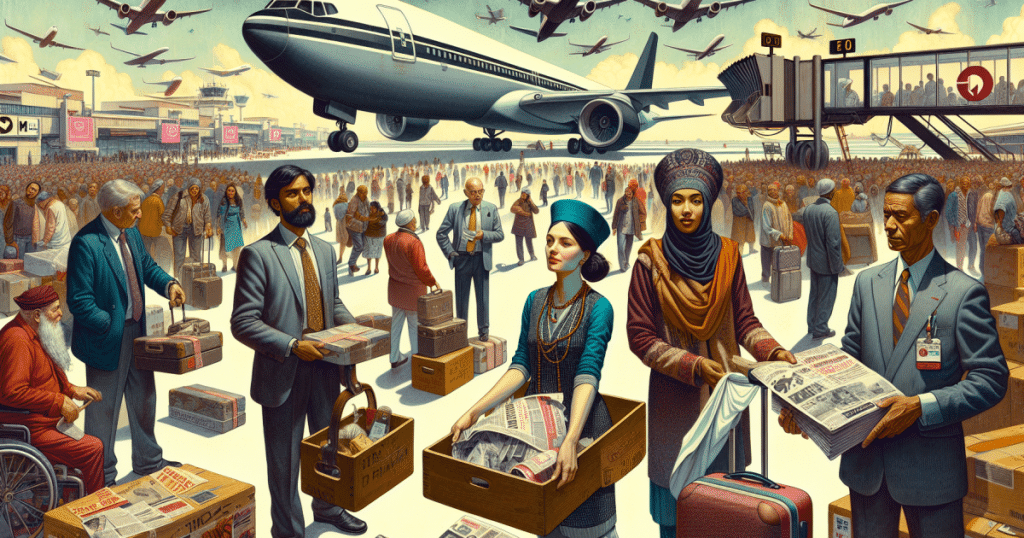
Harry Reid International Airport in Las Vegas became the epicenter of a labor dispute this Thursday as members of the Culinary Workers Union Local 226 staged a protest demanding better wages and working conditions. This action underscores a broader labor movement gaining momentum across the United States as employees increasingly push back against stagnant wages and diminishing benefits.
The protest, which brought dozens of union members to the airport, highlighted grievances that have been simmering for years. Employees voiced frustration over wages that have remained static for an extended period, with some workers reporting no pay increases for over four years. The protestors are also alarmed by potential cuts to their pensions and healthcare benefits, with some claims suggesting reductions could reach 40%.
Ted Pappageorge, the Secretary-Treasurer of the Culinary Union, emphasized the high stakes involved. “Workers at the DBE concessionaires at LAS Airport are fighting for a new contract that secures a better future for their families,” he stated. Pappageorge also warned that the ongoing strike could significantly disrupt operations at the airport during the busy holiday travel season, potentially causing widespread delays and inconveniences for travelers.
The demonstration is a part of a wider pattern of union activism across various sectors in the United States. Just two days prior, members of the United Auto Workers joined a picket line at the Hard Rock Casino Rockford in support of employees seeking union representation. This cross-industry solidarity reflects a broader resurgence of labor movements as workers strive for better compensation and job security.
The situation at Harry Reid International Airport is particularly pressing given the strategic importance of the airport, not just for Las Vegas but for the entire region. As one of the busiest airports in the nation, particularly due to the influx of tourists visiting the Las Vegas strip, any disruption in operations can have far-reaching economic implications. The city, renowned for its vibrant entertainment and gambling industries, relies heavily on the seamless functioning of its airport to sustain its tourism-driven economy.
Historically, labor movements have played pivotal roles in shaping the landscape of American workplaces, leading to significant advancements such as the establishment of minimum wage laws and the standardization of the eight-hour workday. This current wave of union activity can be seen as a continuation of these efforts, aiming to adjust the balance of power between employers and employees in favor of fairer working conditions.
Despite the union’s efforts, there are potential risks associated with the strike. The threat of disruption during the holiday period could alienate some members of the public, particularly if it leads to significant travel delays. Additionally, the airport and associated businesses may be forced to consider temporary staffing solutions, which could complicate negotiations and prolong the dispute.
On the other hand, the union’s actions could catalyze a reevaluation of how airport staff are compensated, potentially leading to broader reforms. If successful, the Culinary Workers Union’s efforts might serve as a blueprint for other groups seeking similar improvements in their working conditions.
The issue of wage stagnation is not isolated to the aviation sector. Across the nation, workers in various industries have expressed dissatisfaction with how their pay has failed to keep pace with inflation and living costs. This has been exacerbated by rising concerns over job security and benefits as companies seek to cut costs in a competitive global marketplace.
In response to these pressures, labor advocates argue that companies should see investment in their workforce as a long-term strategy that benefits both employees and employers. Improved pay and benefits can lead to higher job satisfaction, reduced turnover rates, and increased productivity—factors that ultimately contribute to a business’s success.
Moreover, the protest highlights a growing awareness among workers of their collective power. As seen in other industries, solidarity and organized action can compel significant changes in corporate policies, prompting companies to reconsider their approaches to employee compensation and benefits.
As the situation at Harry Reid International Airport unfolds, it remains a vivid illustration of the tensions between labor demands and management policies. The outcome of this dispute could have implications not just for the workers involved but also for broader labor relations within the aviation industry and beyond.
The evolution of this labor action will be closely monitored by stakeholders across the nation. With the potential to disrupt travel plans and affect economic activities, the resolution of this dispute could set a precedent for how similar conflicts are handled in the future. As the holiday season approaches, the urgency for a resolution becomes more pronounced, highlighting the delicate balance between ensuring operational continuity and addressing workers’ rights.
In conclusion, while the protest at Harry Reid International Airport raises immediate concerns about travel disruptions, it also brings to the forefront critical discussions about labor rights, fair compensation, and the role of unions in advocating for workers’ interests. The coming weeks will be crucial in determining how these issues are resolved and their impact on both the local economy and the broader labor movement.

David Harrison stands tall in gambling journalism, marrying his firsthand casino experiences with a deep understanding of betting psychology. His articles transform complex gambling jargon into engaging tales of strategy and chance, making the world of betting accessible and enjoyable. David’s knack for narrative extends beyond print, making him a sought-after speaker on gambling trends and future bets. In the realm of gambling, David is both a scholar and a storyteller, captivating readers and listeners alike.