

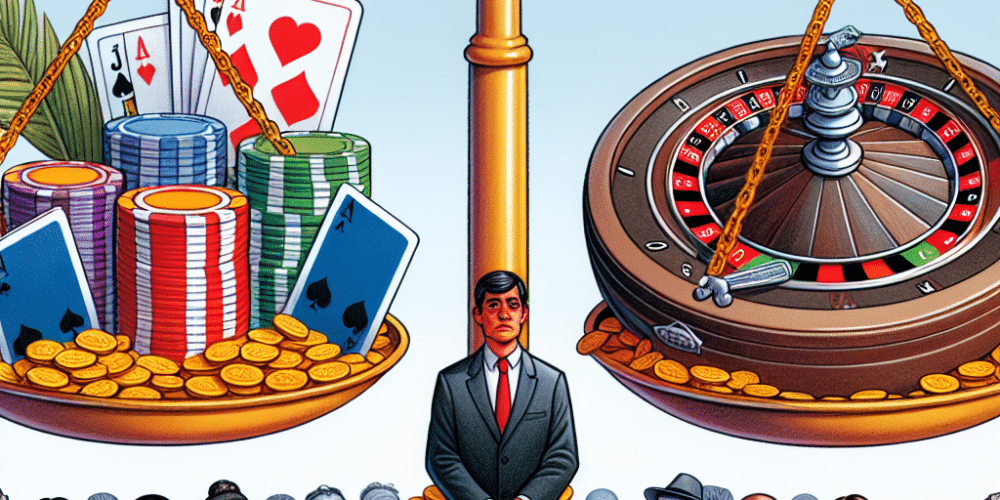
In late 2025, Brazil’s government is contemplating a significant tax increase on its burgeoning gambling industry, just a year after implementing a regulated betting environment. The Brazilian Institute of Responsible Gaming (IBJR) has voiced strong concerns, suggesting that a substantial tax hike could severely impact the legal gaming sector.
Currently, operators in Brazil must pay an initial licensing fee of BRL 30 million ($5.6 million) to gain market entry. Beyond this, there’s a 12% Gross Gaming Revenue (GGR) tax, alongside various other taxes and fees. The IBJR notes that operators effectively relinquish almost 25% of their revenue in taxes under the existing scheme.
The proposed discussions revolve around potentially doubling the GGR tax from 12% to 24%. This move echoes a global trend where several regulated markets are contemplating or have already implemented tax hikes. The IBJR calculates that increasing the GGR tax to 24% would translate to a 45.4% rise in the tax burden for legal operators. The institute is firmly against this proposal, arguing that it could cause more harm than good to the industry.
Industry experts within the IBJR have consistently expressed their discontent with the legislative discussions around potential tax increases. They argue that such a move could drive some operators out of the regulated market, diminishing the competitiveness of legal entities. A tax increase would likely compel operators to scale back on player incentives and bonuses, which could inadvertently boost the black market. A competitive edge is crucial in maintaining a healthy legal market, they emphasized.
The backdrop to these discussions is a concerning statistic: despite the regulatory framework, 51% of online betting in Brazil is still conducted through unlicensed operators. Brazilians are estimated to wager BRL 38 billion ($7 billion) annually with these black market entities. This represents a significant loss in potential public revenue, approximately BRL 10.8 billion ($2 billion) each year, which could have been collected through taxes.
The IBJR insists that undermining the legal gaming market would only empower illicit operators. Even a modest 5% reduction in legal gaming participation could divert an additional billion Brazilian reals into the black market, exacerbating the problem rather than alleviating it.
While the IBJR acknowledges the government’s need for tax revenue, they argue for a more nuanced approach. They recommend strategies aimed at enhancing the appeal of legal options, such as improving regulatory measures and increasing public awareness about the risks of unlicensed gambling. The focus should be on drawing Brazilian bettors away from dangerous, unregulated markets and towards safer, legal alternatives.
On the other side of the debate, some government officials and economic analysts argue that increasing taxes on gambling could bolster public finances, providing essential funding for public services and infrastructure projects. They point to the potential revenue boost as a means to address budgetary constraints, suggesting that the industry could absorb the additional tax without significant detriment.
However, the IBJR maintains that the long-term health of the gambling sector should not be compromised for short-term fiscal gains. They urge lawmakers to consider the broader implications of a tax hike, stressing that an overburdened legal market could shrink, leading to fewer operators, reduced competition, and ultimately, less tax revenue than anticipated.
The debate around gambling taxation in Brazil is emblematic of broader global discussions on how best to regulate and tax an industry that has seen explosive growth in recent years. As countries grapple with finding the right balance between regulation, market health, and fiscal needs, Brazil’s decision will be closely watched by industry stakeholders and governments worldwide.
In conclusion, the IBJR believes that the path forward should involve collaboration between operators, regulators, and lawmakers to create a sustainable environment for legal gambling. They argue that fostering a vibrant, competitive market will not only increase tax revenue but also protect consumers from the risks associated with illegal gambling activities. They assert, “Enhancing the legal market is the most effective way to curb the black market and ensure that Brazilian citizens are gambling safely and responsibly.”

Garry Sputnim is a seasoned journalist and storyteller with over a decade of experience in the trenches of global news. With a keen eye for uncovering stories that resonate, Alex has reported from over 30 countries, bringing light to untold narratives and the human faces behind the headlines. Specializing in investigative journalism, Garry has a knack for technology and social justice issues, weaving compelling narratives that bridge tech and humanity. Outside the newsroom, Garry is an avid rock climber and podcast host, exploring stories of resilience and innovation.