
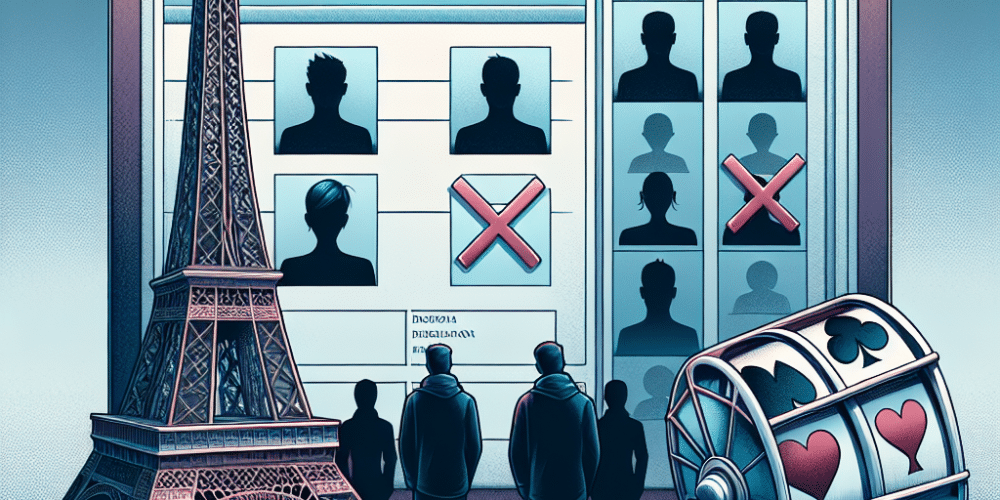
On November 25, 2025, France introduced a new digital self-exclusion registry aimed at simplifying the process for individuals seeking to mitigate gambling-related harm. This initiative is set to enhance the efforts of the l’Autorité Nationale des Jeux (ANJ) in curbing the impact of excessive gambling across the nation.
The launch of the registry marks a significant shift towards digital solutions, allowing French gamblers to self-exclude with just a few clicks. Instead of requiring a physical visit to a police station, individuals can now easily access the service online by visiting interdictiondejeux.anj.fr. The process involves using the IDnow platform to confirm their registration, enabling them to exclude themselves from all licensed gambling operators in the country.
Despite this progress, the French gambling market faces ongoing challenges. Unlicensed operators continue to target French consumers without the constraints of regulatory oversight. Such illegal activities remain a considerable threat to the effectiveness of the self-exclusion system.
The rise in self-exclusions has been notable, with a total of 85,000 registered individuals, including 40,000 new enrollees since 2021. This surge is attributed to the new digital approach, which eliminates the cumbersome process of filing paperwork and making in-person visits. With this streamlined system, the number of participants is expected to continue growing rapidly.
The current demographic data reveals that young adults, specifically those aged 18-24, constitute about 23% of those who have opted for self-exclusion. Furthermore, an overwhelming 77% of enrollees are men, highlighting a gender disparity in gambling-related issues. This demographic insight underscores the need for targeted interventions and awareness campaigns.
To further enhance the registry, ANJ is preparing to introduce additional features. These improvements will empower enrollees by providing access to their documentation, allowing them to monitor their exclusion status actively. There will also be an option to request removal from the list; however, a mandatory three-year period must elapse before submitting such a request.
Amid these advancements, opinions on the digital registry’s impact vary. While many commend the modernization of the self-exclusion process, some voices express concern over the potential for digital barriers to exclude certain populations. A critic might argue, “While digitalization is a step forward, we must ensure that it doesn’t marginalize those without digital access or literacy.”
Nonetheless, the general sentiment around the initiative remains optimistic. Stakeholders within the gambling industry acknowledge the critical need for such tools to promote responsible gambling practices. Industry experts anticipate that the digital registry will serve as a model for other countries looking to modernize their self-exclusion frameworks.
Yet, there are calls for a more comprehensive approach. Some suggest that beyond digital solutions, increased investment in mental health services and public education is essential to effectively address gambling addiction. “It’s not just about exclusion,” an industry observer notes, “We need a holistic approach that combines technology with support systems and prevention strategies.”
In summary, the launch of France’s digital self-exclusion registry represents a pivotal move towards addressing gambling-related harm through innovation. While challenges remain, particularly with unlicensed operators and demographic imbalances, the digital platform promises to enhance accessibility and efficiency. As the initiative evolves, ongoing assessment and adaptation will be crucial to its success, ensuring it meets the diverse needs of the French population.

David Harrison stands tall in gambling journalism, marrying his firsthand casino experiences with a deep understanding of betting psychology. His articles transform complex gambling jargon into engaging tales of strategy and chance, making the world of betting accessible and enjoyable. David’s knack for narrative extends beyond print, making him a sought-after speaker on gambling trends and future bets. In the realm of gambling, David is both a scholar and a storyteller, captivating readers and listeners alike.