
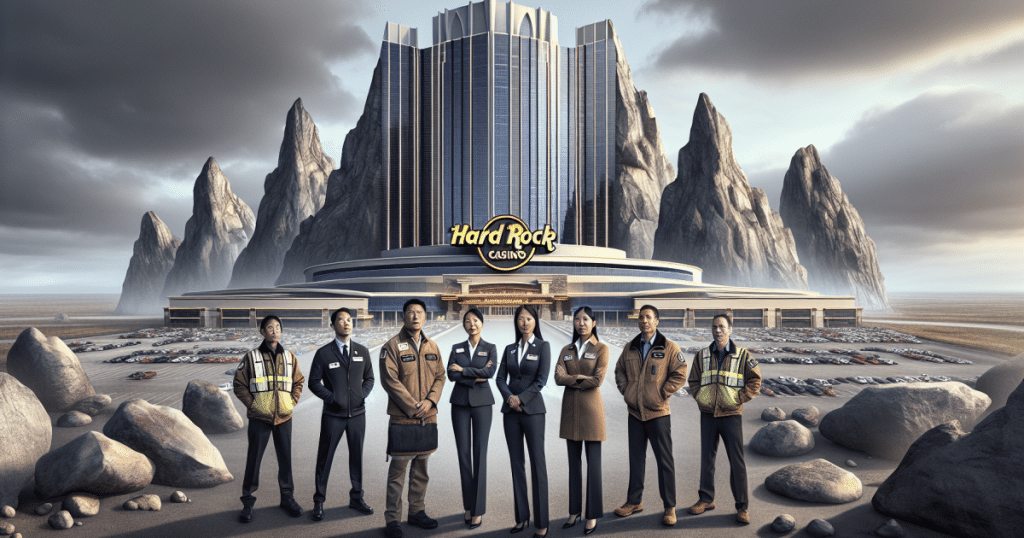
In a significant decision impacting the workforce at Hard Rock Casino Rockford, 90 out of 128 employees cast their votes against joining the United Auto Workers (UAW) union. This vote, held recently, saw participation from full-time and regular part-time workers at the casino, which has been a part of the Illinois entertainment landscape since its opening in August 2024.
The decision by the employees not to unionize follows a broader trend across several industries where union membership has seen fluctuations. While some sectors have experienced a renewed interest in unionization, the casino’s workers opted to remain non-unionized, reflecting a complex labor landscape where workers weigh the benefits of collective bargaining against perceived autonomy and potential downsides.
Matt Frantzen, President of UAW Local 1268, expressed gratitude towards those who supported the unionization effort. In his communication via social media, he acknowledged the support from both the union’s advocates and the casino employees who engaged with the UAW. Despite the outcome, Frantzen remained optimistic, stating that such efforts are inherently unpredictable and that the union will continue to engage with workers who seek representation.
Hard Rock Casino Rockford, a $300 million project, stands as a major entertainment hub in the region. Its location near the I-90 State Street exit makes it a convenient destination for locals and tourists alike. The casino boasts nearly 1,300 slot machines and 50 live table games, including poker, alongside a dedicated sportsbook. Furthermore, its 1,600-seat Hard Rock Live venue adds to its appeal, drawing crowds for various entertainment events.
The decision not to unionize comes at a time when labor unions across the United States face a mixed reception. While some companies have seen a resurgence in organized labor’s influence, others witness a decline. In Illinois, this decision echoes the diverse opinions workers hold about union membership, which can offer improved negotiation power but might also involve dues and a loss of direct negotiation with employers.
Adding context to this scenario, the casino industry in the U.S. has seen varying degrees of union representation. Historically, unions have made significant inroads in states like Nevada, where a substantial portion of casino workers are unionized, providing them with security and structured negotiations for wages and benefits. However, this is not uniformly the case across the country, with many casinos operating without unionized staff.
The Hard Rock Casino’s decision diverges from trends seen in other parts of the industry. For example, Bally’s and Teamsters recently reached a union agreement for workers at Black Hawk casinos, reflecting the pro-union sentiment in certain sectors and regions. The outcomes of such agreements often hinge on local economic conditions, management attitudes, and workforce priorities.
Potential risks accompany the decision to remain non-unionized. Without a collective bargaining unit, individual workers may find themselves with less leverage in negotiating terms of employment, benefits, and addressing grievances. Additionally, non-union environments can sometimes lead to discrepancies in pay and working conditions, which unions typically aim to standardize and improve.
However, some employees might feel that non-unionized environments offer greater personal freedom and flexibility. The decision to reject unionization could also reflect a satisfaction with current management practices or a belief that the costs associated with union dues do not outweigh the benefits provided.
As the industry continues to evolve, both unionized and non-unionized casinos will face challenges such as adapting to technological advancements, changes in consumer preferences, and regulatory shifts. How Hard Rock Casino Rockford navigates these future challenges without union backing will be closely watched by industry analysts and employees alike.
This decision at Hard Rock Casino Rockford underscores the broader complexities of labor organization within the gaming and hospitality industry. As workers continue to evaluate the merits of unionization, the discourse around labor rights, fair wages, and quality working conditions remains crucial in shaping the future of the workplace. Employers and unions alike will need to engage thoughtfully with these issues to ensure a balanced and prosperous environment for all stakeholders involved.

David Garato is a luminary in gaming journalism, renowned for peeling back the curtain on the gaming world with his witty and insightful commentary. A decade into weaving stories from the pixelated edges of indie games to the expansive universes of AAA titles, David’s work is a thrilling blend of analysis and adventure. When not writing, he’s live-streaming, sharing his gaming exploits with an engaged and growing audience. David doesn’t just write about games; he lives them, making him a trusted guide in the gaming community.