

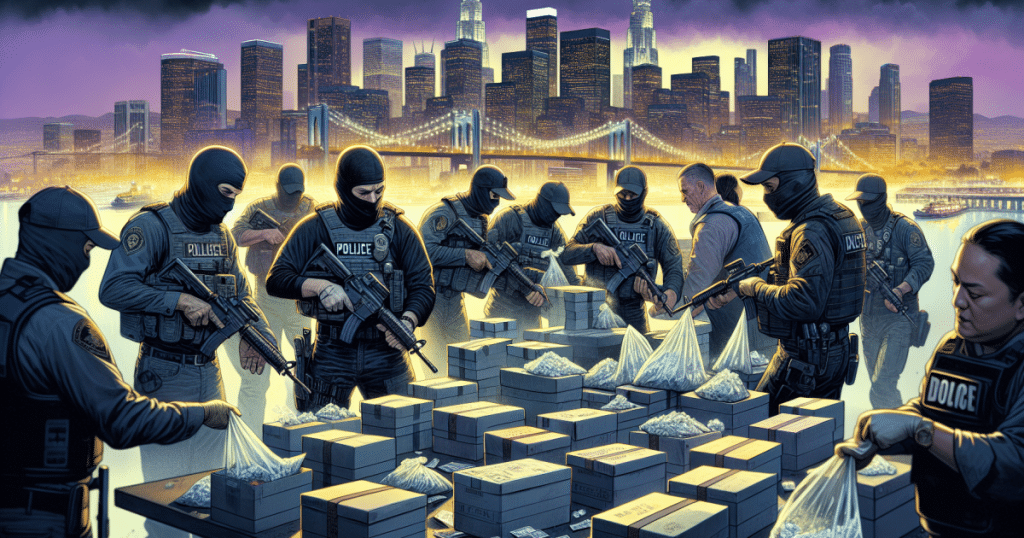
In Los Angeles, a coordinated effort by multiple law enforcement agencies resulted in the detention of over 130 individuals and the seizure of several hundred kilograms of illegal drugs. Conducted in December, this large-scale operation involved the Federal Bureau of Investigation (FBI), the Los Angeles Police Department (LAPD), and the Sheriff’s Departments of Los Angeles County and San Bernardino. The initiative focused on dismantling illegal gambling and drug distribution networks, highlighting the ongoing regulatory challenges in controlling criminal activities linked to organized crime.
The operation, known as “Operation Coast to Coast,” was led by the Homeland Security Task Force (HSTF), following an executive order by former President Donald Trump. This directive aimed to curtail the activities of criminal cartels, foreign gangs, and transnational criminal organizations (TCOs) involved in human smuggling and trafficking, both domestically and abroad. The FBI’s recent enhancement of resources for this operation underscores the federal government’s commitment to disrupting these illegal networks.
During the operation, 223 arrests were made, and 92 criminal complaints were filed. Authorities executed eight search warrants, including one in Mexico, targeting establishments used for drug trafficking, illegal arms sales, and prostitution. Notable locations raided included Montclair and San Bernardino, areas identified as significant hubs for these illegal activities. The operation resulted in the seizure of 102 kilograms of fentanyl, 470 kilograms of methamphetamine, and 1.5 kilograms of cocaine, along with 29 firearms and approximately $3,000 in cash.
In addition to these seizures, arrests were made in Long Beach, targeting individuals with alleged gang affiliations involved in drug and firearms-related crimes. The gangs identified include Florencia-13, Tortilla Flats, and East Side Longos, groups known for their involvement in illegal narcotics distribution and gang violence. The FBI also noted the arrest of an individual for distributing child sexual abuse material, highlighting the diverse range of criminal activities addressed in this operation.
These law enforcement activities reveal critical insights into the complex nexus of illegal gambling, drug trafficking, and organized crime in urban centers. The continued operation of such networks poses significant regulatory and enforcement challenges for authorities. Efforts to dismantle these networks are crucial to maintaining public safety and upholding the rule of law.
From a regulatory perspective, the success of such operations is pivotal in setting legal precedents and reinforcing the enforcement of gambling and drug laws. However, they also illustrate the persistent difficulties faced by law enforcement in adapting to evolving criminal tactics. The coordination among various law enforcement bodies highlights the necessity of cross-agency collaboration in effectively combating organized crime.
Critics argue that while operations can disrupt criminal activities temporarily, the root causes of drug trafficking and illegal gambling require more comprehensive solutions, including socio-economic interventions and policy reform. Additionally, there is an ongoing debate regarding the allocation of resources to enforcement versus prevention and rehabilitation initiatives.
The next steps for law enforcement involve analyzing the intelligence gathered during the operation to prevent the re-establishment of similar networks. Authorities are expected to continue monitoring these activities and adapting their strategies to anticipate and counteract potential shifts in criminal operations. Moving forward, sustained collaboration between federal and local agencies will be essential in maintaining the pressure on organized crime and ensuring compliance with national and international laws.
As these operations unfold, the legal and regulatory frameworks governing gambling and drug enforcement may undergo further scrutiny and adaptation to enhance their effectiveness. The outcomes of “Operation Coast to Coast” will likely influence future policy decisions and enforcement strategies, highlighting the dynamic and evolving nature of regulatory oversight in the face of organized crime.