
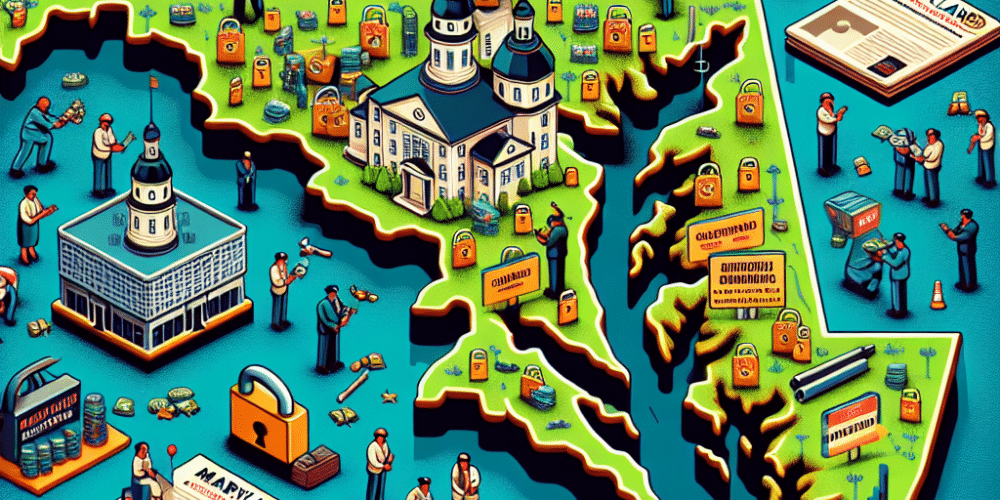
The Maryland Lottery and Gaming Control Agency (MLGCA) has ramped up efforts to tackle unlicensed sweepstakes casinos, a move that underscores the state’s determination to uphold gambling laws. The agency has also issued a stern warning to state-regulated sportsbooks about venturing into prediction markets, threatening potential license loss for non-compliance.
In a decisive action, the MLGCA served a second cease-and-desist order to Virtual Gaming Worlds (VGW) subsidiaries, Lucky Land Slots and Chumba Casino, for allegedly running illegal online gaming operations within Maryland. This follows an initial warning issued on March 17, emphasizing that Maryland permits only online sports betting and mobile fantasy sports. The state’s gambling framework categorically bans all online casino gambling, including sweepstakes or social gaming, without a proper license. VGW’s operations, lacking a Maryland-issued sports wagering, casino gaming, or fantasy contest license, were deemed non-compliant with state laws.
The notice handed to Lucky Land Slots and Chumba Casino requires a response within ten days, demanding clarification on their activities in Maryland. The MLGCA cautioned that any continuation of unlicensed gambling could severely hinder their chances of obtaining future licenses in the state. This move signals Maryland’s increased vigilance in maintaining a clear boundary between legal and illegal gaming activities.
Meanwhile, Maryland’s regulatory attention is also focused on the rising popularity of prediction markets. The MLGCA issued warnings to sports betting operators indicating that engaging with these markets could lead to the revocation of their licenses. As the eighth US jurisdiction to issue such warnings, Maryland aligns with broader national efforts to regulate this burgeoning sector. The regulator emphasized that operating prediction markets without a Maryland sports wagering license constitutes unlawful sports wagering. The statement further noted that even engaging in prediction markets located in other states could have adverse implications for operators’ licenses.
This regulatory stance becomes increasingly pertinent as major operators like FanDuel, DraftKings, and Fanatics express interest in expanding into prediction markets. Maryland’s robust position is also reflected in its ongoing legal battle with prediction platform Kalshi. In April, the state demanded Kalshi halt operations, prompting a lawsuit now awaiting resolution in the Fourth Circuit. Although an initial court order required Kalshi to cease operations, both parties agreed to maintain current conditions pending the appeal’s outcome.
This comprehensive crackdown reflects broader industry dynamics, highlighting a tension between innovation in gambling and regulatory frameworks. While operators see prediction markets as a lucrative opportunity, regulators like Maryland aim to ensure that all forms of gambling adhere to established legal standards. One perspective suggests that prediction markets offer an engaging way to participate in discussions about future events, potentially attracting a new segment of consumers interested in more than traditional sports betting. However, regulatory bodies remain cautious, recognizing that such markets could blur the lines of legal wagering, demanding stringent oversight to prevent unlawful practices.
The MLGCA’s actions also resonate with ongoing national dialogues about the regulation of online gambling. As states navigate the complex landscape of new gambling forms, the balance between innovation and regulation becomes pivotal. Proponents of prediction markets argue for their potential to enhance user engagement and diversify the gambling experience. Critics, however, warn of the risks associated with unregulated markets, where the potential for exploitation and legal ambiguities could undermine consumer protection and state revenues.
Maryland’s firm approach signals to operators and consumers alike that despite the allure of new gambling offerings, maintaining a clear and lawful gaming environment takes precedence. This crackdown is not just about enforcing current laws but also shaping the future landscape of gambling in Maryland. As the state continues to scrutinize emerging trends within the industry, it sets a precedent for others, emphasizing that while innovation is welcome, it must not come at the expense of legal and regulatory integrity.
In conclusion, Maryland’s latest regulatory actions reflect a broader trend of heightened scrutiny in the gambling industry. By targeting unlicensed sweepstakes casinos and prediction markets, the state reinforces its commitment to maintaining a regulated and controlled gambling environment. This approach ensures that both operators and consumers understand the importance of adherence to legal standards, safeguarding the future of regulated gambling in the state. As the industry evolves, Maryland’s actions may serve as a guiding framework for other jurisdictions grappling with similar challenges, underscoring the delicate balance between fostering innovation and ensuring compliance with the law.

David Harrison stands tall in gambling journalism, marrying his firsthand casino experiences with a deep understanding of betting psychology. His articles transform complex gambling jargon into engaging tales of strategy and chance, making the world of betting accessible and enjoyable. David’s knack for narrative extends beyond print, making him a sought-after speaker on gambling trends and future bets. In the realm of gambling, David is both a scholar and a storyteller, captivating readers and listeners alike.