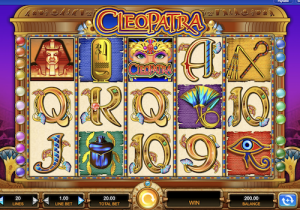


The Pennsylvania Supreme Court has decisively ruled that skill game machines fall within the state’s gambling regulations, ending a prolonged dispute and clarifying the legal market for these devices. With nearly unanimous support, the court declared these machines—often found in convenience stores, bars, and social clubs across Pennsylvania—meet the legal definition of slot machines, despite players’ ability to influence outcomes through skill.
In This News
Skill vs. Chance Debate Settled
Operators have long argued that skill games differ from traditional slots due to the player’s ability to improve outcomes via memory and decision-making. However, Justice David Wecht, writing for the majority, noted that Pennsylvania lawmakers addressed this distinction when they amended the state’s Gaming Act in 2017. “Our General Assembly already has spoken clearly on this subject,” Wecht stated, emphasizing that terms such as “skill slot machine” in the law make it evident that skill doesn’t exclude a machine from gambling regulations. For the state’s casinos, gaming regulators, and lottery officials—who have all advocated against these unregulated devices—this ruling marks a major win. The decision underscores the notion that incorporating elements of skill does not exempt a device from being classified as a slot machine.
Industry Reaction and Implications
The response from industry leaders was swift and critical. Pace O Matic, a major supplier of skill games in Pennsylvania, argued that the ruling disregards previous lower court decisions that found these machines lawful. The company warned about the potential impact on over 10,000 small businesses and nonprofit organizations, which could suffer if legislators fail to establish a regulatory framework. Meanwhile, Pennsylvania Attorney General Dave Sunday lauded the court’s decision, calling it a victory for consumers and the rule of law. “Pennsylvanians deserve protections that ensure games are fair, transparent, and operated within the bounds of the law,” he said.
Next Steps for Lawmakers
The ruling doesn’t take immediate effect. The court imposed a 120-day stay, allowing time for potential legislation to regulate and tax the industry. During this period, the machines will continue operating as lawmakers in the Pennsylvania General Assembly deliberate on whether to formally legalize and regulate skill games. What happens next is pivotal. Lawmakers have a limited window to establish a workable regulatory framework that addresses the court’s decision. Their actions—or inaction—will impact the future of skill gaming in the state. The clock is ticking as they prepare to tackle this issue in the coming months.

David Harrison stands tall in gambling journalism, marrying his firsthand casino experiences with a deep understanding of betting psychology. His articles transform complex gambling jargon into engaging tales of strategy and chance, making the world of betting accessible and enjoyable. David’s knack for narrative extends beyond print, making him a sought-after speaker on gambling trends and future bets. In the realm of gambling, David is both a scholar and a storyteller, captivating readers and listeners alike.