
As 2025 comes to a close, Pennsylvania finds itself at a crossroads, grappling with how to manage the thousands of “skill games” that have found homes in bars, social clubs, and gas stations throughout its borders. Despite months of heated discussions and mutual recognition across party lines that the current situation is untenable, the state’s budget passed without any resolution on these machines, leaving them outside the purview of state regulation and untaxed.
This unresolved issue stands as a significant disappointment for Governor Josh Shapiro. He has referred to the oversight and taxation of these machines as “unfinished business” for his administration. Shapiro’s proposal of a 52% tax rate was projected to generate approximately $400 million in revenue for the state, a notable figure in the face of looming budget shortfalls. However, Senate Republicans countered with their own proposal of a 35% tax, yet neither proposal was incorporated into the state’s final budget agreement.
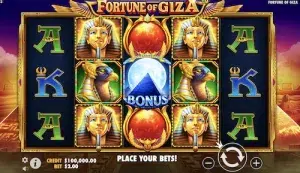
These skill games are difficult to overlook. With their slot machine-like appearance and gameplay, they offer a slight twist: an element of player interaction that manufacturers argue differentiates them from conventional gambling devices. The legality of these machines is now in the hands of the Pennsylvania Supreme Court, which listened to arguments in November. The court’s forthcoming decision could be pivotal for not only manufacturers but also lawmakers who have been unable to agree on regulations.
The budget negotiations were conducted under intense pressure from various stakeholders. Pennsylvania casinos, which are subject to a 55% tax, have advocated for a regulatory framework that would impose similar obligations on skill games, aiming to ensure a level playing field. Conversely, the state’s leading skill games provider, Pace-O-Matic, has lobbied for a more modest 16% tax rate. This proposal has found support from Senator Gene Yaw, representing a district with one of the major manufacturers. Despite multiple taxation models being evaluated, a consensus among lawmakers proved elusive.
The deadlock is rooted as much in political maneuvering as in policy disagreements. Campaign finance records reveal that a broad spectrum of gaming interests—including casinos, horse racing entities, and skill game companies—have poured millions into Pennsylvania’s political domain. Allegations have surfaced suggesting that Pace-O-Matic has funneled funds into a network of contributions linked to aggressive political campaigns aimed at Senate Republicans favoring higher taxes.
Given the current impasse, many legislators view 2026 as the next viable window for passing a comprehensive regulatory bill, unless the Supreme Court steps in with a decision that compels immediate action. If the court determines that skill games fall under the category of gambling devices, lawmakers will be forced to either bring them under the state’s existing gaming regulations or ban them outright.
However, a ruling in favor of the manufacturers could compel legislators to confront the dilemma of leaving a burgeoning industry unregulated, particularly at a time when Pennsylvania faces significant budgetary challenges. The decision could also establish a precedent for how Pennsylvania approaches the regulation of new gaming products, with the rise of prediction markets potentially representing a similar challenge on the horizon.
The stakes are high, and opinions are sharply divided. Proponents of skill games argue that these devices provide entertainment and economic benefits, not least through the contributions they make to local businesses and social clubs. They assert that an overly punitive tax rate could stifle these benefits. Meanwhile, opponents, particularly within the established casino industry, contend that skill games offer unfair competition and should be subject to comparable regulatory standards to ensure fairness and equity across the sector.
In this climate of uncertainty, various paths forward remain possible. Should the court endorse the manufacturers’ stance, Pennsylvania will need to reckon with the broader implications of leaving skill games unregulated. On the other hand, a move towards regulation could unlock substantial tax revenues, offering a lifeline to the state’s stretched finances while imposing order on a fast-growing industry.
As the debate persists, one thing is clear: the issue of skill games in Pennsylvania is far from resolved. With significant financial implications and industry dynamics at play, stakeholders from all sides will be watching closely to see how lawmakers and the judiciary navigate this complex landscape. In the meantime, businesses hosting these machines continue their operations in a legal gray area, awaiting clarity on their future standing in the state’s regulatory framework.

David Harrison stands tall in gambling journalism, marrying his firsthand casino experiences with a deep understanding of betting psychology. His articles transform complex gambling jargon into engaging tales of strategy and chance, making the world of betting accessible and enjoyable. David’s knack for narrative extends beyond print, making him a sought-after speaker on gambling trends and future bets. In the realm of gambling, David is both a scholar and a storyteller, captivating readers and listeners alike.