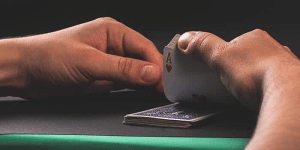


In a decisive operation, Swedish authorities raided an illegal poker club in Stockholm, seizing assets and arresting three men involved in organizing the unlicensed gambling activities. The operation, executed by armed officers on the night of November 28, sends a strong message about the country’s strict stance on illegal gambling operations. According to local sources, the poker club, which had been under surveillance for several months, was operating in a discreet location in the city’s outskirts, attracting players with the allure of high-stakes games and promises of big winnings.
The Swedish police, known for their meticulous approach to dismantling illegal gambling networks, found the club equipped with professional poker tables, high-quality chips, and other paraphernalia typical of a well-oiled gambling operation. Authorities confiscated cash worth approximately 500,000 Swedish Kronor (SEK) along with electronic devices believed to contain records of financial transactions and player information. One officer remarked that the scale and organization of the operation were reminiscent of more sophisticated illegal enterprises, underscoring the challenges law enforcement faces in curbing such activities.
This raid comes amid a broader crackdown on unauthorized gambling in Sweden, a country where gambling is heavily regulated. The Swedish Gambling Authority, Spelinspektionen, has strict guidelines, and only licensed operators can offer gambling services legally. Unlicensed poker games, even those purportedly played for low stakes, are considered illegal and subject to severe penalties. The legal framework aims to protect consumers, prevent gambling addiction, and ensure that gambling is conducted fairly and transparently. The authorities’ recent actions serve as a reminder that even seemingly innocuous games are not exempt from regulation.
The players at the club, some of whom reportedly fled the scene during the raid, included both amateur enthusiasts and seasoned poker players. It appears that the illegal club had managed to build a reputation significant enough to draw individuals from various parts of the city, each hoping to win big. One of the arrested men reportedly exclaimed in frustration, “They’ve ruined it for everyone; we were just playing cards, not running a crime syndicate.” The sentiment echoes a common defense among those involved in illegal poker games, who often argue that their activities are harmless and purely recreational.
However, many in the industry understand the rationale behind the stringent measures. “The legal gambling industry must be protected,” says an insider. Licensed establishments argue that illegal games not only evade taxation but also pose a risk to players who have no legal recourse in disputes. The lack of oversight in illegal games can also lead to unfair practices, such as rigged games or the involvement of organized crime, which threaten the integrity of the activity.
Conversely, some players and advocates for poker as a skill-based game argue that the current laws are too restrictive and fail to separate professional poker from other forms of gambling. They suggest that poker should be classified differently, taking into account the skill and strategy involved, rather than being lumped together with games of pure chance. This perspective calls for a more nuanced approach to regulation, one that recognizes the unique nature of poker and considers potential legal frameworks that could allow regulated poker clubs to operate legally and transparently.
The debate continues as Sweden evaluates its regulatory stance amid changing public attitudes towards gambling and increasing demand for diverse gaming experiences. The recent raid in Stockholm highlights the tensions between players seeking more freedom in their gaming pursuits and a regulatory body committed to maintaining strict control over the gambling landscape. As authorities work to enforce existing laws, the conversation about the future of poker in Sweden remains alive, with both sides advocating for solutions that balance regulation with personal freedom and economic interests.
For now, the closure of the Stockholm poker club serves as a cautionary tale for other unlicensed operators. It underscores the risks involved in defying the country’s gambling laws and the likelihood of law enforcement intervention. As the legal proceedings continue against those arrested, the broader community watches closely, aware that the outcome may influence future regulatory approaches and the possibility of legal reforms that accommodate the unique qualities of poker.
In the coming months, it will be essential for stakeholders in the Swedish gambling sector, including regulators, players, and industry leaders, to engage in constructive dialogue. This conversation should aim at finding common ground that respects both the legal requirements and the cultural significance of poker as a game enjoyed by many. Only time will tell if Sweden will adjust its regulatory framework to better accommodate poker, or if it will maintain its current approach, prioritizing stringent oversight and consumer protection.

Garry Sputnim is a seasoned journalist and storyteller with over a decade of experience in the trenches of global news. With a keen eye for uncovering stories that resonate, Alex has reported from over 30 countries, bringing light to untold narratives and the human faces behind the headlines. Specializing in investigative journalism, Garry has a knack for technology and social justice issues, weaving compelling narratives that bridge tech and humanity. Outside the newsroom, Garry is an avid rock climber and podcast host, exploring stories of resilience and innovation.