

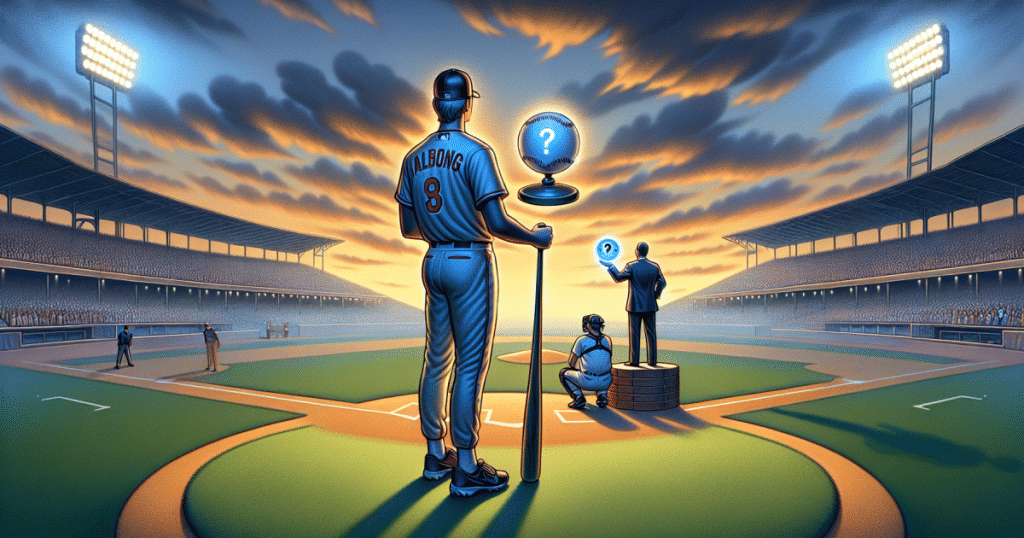
Major League Baseball (MLB) has officially barred its players from participating in baseball-specific prediction markets. This decision, conveyed through a memo from the Commissioner’s Office and the players’ union in late 2025, has sparked discussions about the blurred lines between prediction markets and gambling. Despite some federal regulators allowing such platforms to operate under different classifications than traditional gambling, MLB remains firm in its stance for player conduct.
The memo titled “Re: Baseball Related Prediction Markets” was distributed on August 26, 2025, and explicitly warned players against engaging in prediction markets for baseball-related outcomes. The concern is that these platforms, including names like Kalshi and Polymarket, allow users to wager money on specific events which MLB considers a violation of its existing sports betting regulations. Some players, however, have expressed surprise at the directive, indicating a lack of awareness regarding the memo’s content and implications.
While prediction-market companies like Kalshi argue they function outside the realm of traditional gambling, offering markets on future events and outcomes, MLB is wary of their potential impact on the sport’s integrity. The league’s history with gambling is marked by cautious advancements, especially after it moved forward with partnerships with sports betting companies like DraftKings and FanDuel.
Interestingly, while MLB imposes restrictions, other sports leagues have shown a variety of responses to prediction markets. The NHL has established partnerships with some of these platforms, whereas the NFL, on the other hand, has expressed reservations due to the lack of stringent regulation and their resemblance to sports gambling. The NBA is currently navigating its own issues, requesting regulatory guidance from the Commodity Futures Trading Commission (CFTC) amidst a gambling scandal.
The regulatory environment for prediction markets has evolved over recent years. Under Trump’s administration, prediction markets found a more welcoming atmosphere. For instance, Kalshi secured a legal victory against the CFTC, which allowed it to offer certain contracts that were previously restricted. This development illustrates the dynamic and sometimes contentious landscape of prediction markets and federal oversight. However, it was under Biden’s administration that Polymarket re-entered the U.S. market after a four-year hiatus, indicating shifts in regulatory stances.
MLB’s primary argument against these markets centers on a lack of consumer protections and integrity measures that are typically demanded in traditional sports betting. This concern is amplified by recent investigations into player conduct. Notably, Guardians pitcher Luis Ortiz and his teammate Emmanuel Clase are entangled in a federal wire fraud conspiracy case, with allegations linked to questionable betting activities flagged by the integrity monitoring firm IC360. This incident underscores MLB’s commitment to maintaining sport integrity and avoiding any semblance of impropriety.
Historically, professional sports leagues have grappled with maintaining the integrity of their games while exploring commercial opportunities with betting companies. The Black Sox Scandal of 1919, where several Chicago White Sox players were accused of throwing the World Series, remains a cautionary tale for sports organizations. MLB’s actions in 2025 echo the league’s longstanding efforts to avoid repeating past mistakes by ensuring external betting activities do not influence the game or its players.
However, not all view MLB’s prohibition on prediction markets without skepticism. Some argue that the distinction between prediction markets and regulated sports betting is nuanced, potentially stifling innovation in how fans engage with sports. Prediction markets are often seen as a platform for individuals to express opinions on future events rather than a straightforward gamble. Critics of the ban suggest that outright prohibitions may not effectively address the underlying issues of player conduct and integrity.
Moreover, the broader gambling industry has been undergoing significant changes, with increasing legalization of sports betting across the United States. As gambling becomes more mainstream, leagues have had to adapt rapidly, balancing commercial opportunities with the need to uphold the integrity of their sports. MLB’s decision reflects a cautious approach, possibly influenced by ongoing legal and ethical concerns.
It’s crucial to note that while MLB maintains its restrictions, the prediction market sector continues to grow, with companies innovating new models to engage audiences. The future of these platforms and their place within the sports industry remains uncertain, as regulations and market dynamics continue to evolve. The ongoing discussions between sports organizations, regulators, and prediction market companies will likely shape the trajectory of this emerging space.
As MLB navigates these complex issues, the league’s priority remains clear: ensuring the integrity of the game for players, teams, and fans alike. This latest directive is a testament to MLB’s resolve to safeguard its sport while monitoring the evolving landscape of gambling and prediction markets. How other leagues and regulators respond will be a critical factor in defining the future interplay between sports and prediction markets in the coming years.